

Energy-Efficient Lighting Tips for Every Home
13th August 2026
With energy costs remaining an important consideration for UK households, making your home more energy-efficient can help reduce electricity use without compromising on comfort or style. One of the simplest places to start is your lighting.
From choosing the right bulbs to making better use of natural daylight, a few small changes can make your home more efficient while still creating a warm and welcoming atmosphere.
Switch to LED Light Bulbs
One of the easiest improvements you can make is replacing older bulbs with energy-efficient LED bulbs. LEDs require considerably less electricity than traditional incandescent bulbs while still producing plenty of light. They also have a much longer lifespan, meaning they need replacing less frequently.
When choosing an LED, don't simply compare wattage. Instead, look at the lumens, which tell you how much light the bulb produces. For example, a modern 10W LED bulb can produce around 806 lumens, providing similar brightness to a traditional 60W bulb.
Choose the Right Brightness for Each Room
More light isn't always better. Using bulbs that are unnecessarily bright can increase energy consumption and make a room feel uncomfortable.
Think about how each area is used. Kitchens and home offices usually require brighter, more practical lighting, whereas bedrooms and living rooms can benefit from softer illumination.
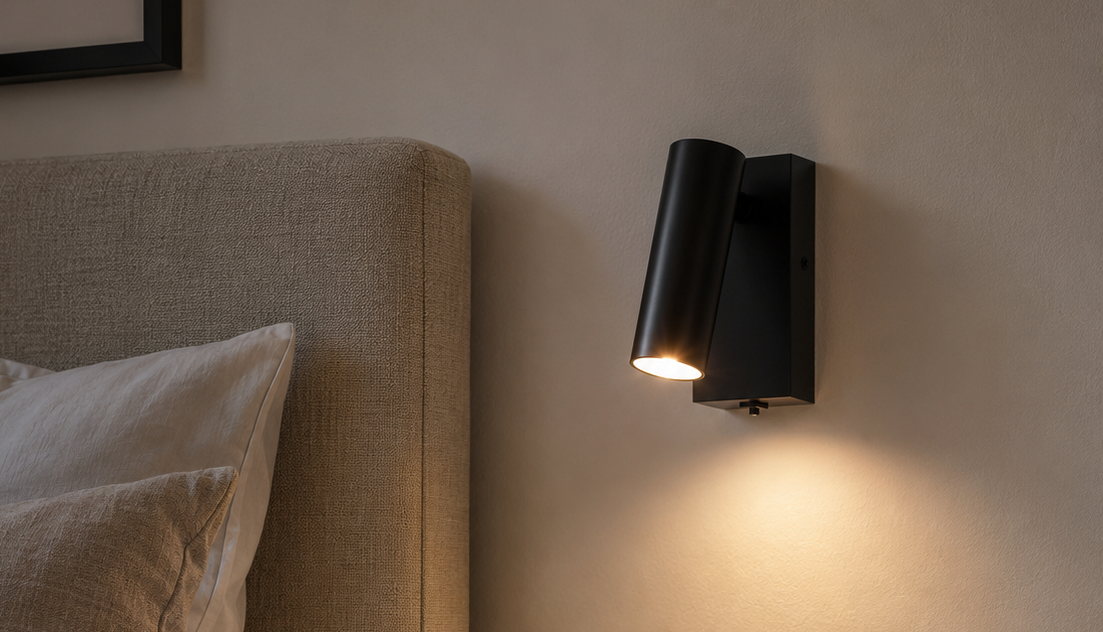
Layering your lighting can also help. Instead of relying entirely on a bright central ceiling light, combine ceiling lights with table lamps, floor lamps and wall lights. This allows you to illuminate only the area you're using.
Make the Most of Natural Light
Natural daylight is free, so make the most of it whenever possible. Keep curtains and blinds open during the day and avoid positioning large furniture where it blocks light entering through windows.
Lighter wall colours, mirrors and reflective surfaces can also help distribute daylight around a room, reducing the need to switch lights on during daylight hours.
Turn Lights Off When They're Not Needed
It sounds obvious, but getting into the habit of switching lights off when leaving a room can make a difference over time.
This is particularly useful in hallways, spare bedrooms, utility rooms and other spaces where lights can easily be left running unnecessarily.
Consider Colour Temperature
Energy efficiency doesn't mean sacrificing atmosphere. LED bulbs are available in different colour temperatures, allowing you to create the right feel for each room.
Warm white bulbs, typically around 2700K, work particularly well in living rooms, dining rooms and bedrooms where you want a comfortable and relaxing atmosphere. Cooler light can be useful in areas where clear, practical illumination is more important.
Upgrade Your Lighting Gradually
You don't need to replace every light fitting in your home at once. Start with the lights you use most frequently, such as your kitchen, living room and hallway.
As older bulbs eventually fail, replace them with efficient LED alternatives. It's an easy way to gradually reduce your home's lighting energy consumption without a large upfront cost.
Whether you're updating a single lamp or planning a complete room makeover, choosing efficient lighting can help reduce electricity use while keeping your home beautifully illuminated.
At Lighting Supermarket, you'll find a wide selection of energy-efficient LED bulbs and lighting for every room, including ceiling lights, table lamps, floor lamps, wall lights and outdoor lighting.